
Ephesians 2 tells one of the most dramatic transformation stories in all of Scripture. We were dead in our sins. But God intervened. We are now saved by grace, united with Christ, and made alive. Paul moves from a new you (2:1–10) to a new us (2:11–18), and finally lands on a new organism—the church (2:19–22).

This matters deeply, because Christianity is not merely about individual salvation. God’s eternal purpose has always been communal. As John Stott famously said, “The church lies at the very center of the eternal purpose of God… God’s purpose is not just to save individuals and so perpetuate our loneliness, but rather to build a people for His own glory.”
“So Then You Are No Longer…”
Paul begins with identity. “So then you are no longer strangers and aliens” (v.19). The phrase “but you are” in Greek is a single emphatic word—you be. It’s not advice; it’s a declaration. Because of Christ, you belong.
We are no longer outsiders doing our own thing spiritually. We are brought together into God’s family. That truth confronts two common strategies Satan uses every week. First, he whispers that you don’t belong—because you feel unworthy, overlooked, or different. Second, he convinces you it’s not worth the effort—unity is hard, people are messy, and disengagement is easier.
But when Christ shed His blood to ransom us, He didn’t just save us from something; He saved us into something. The implication is clear: stop acting like strangers and aliens and start engaging like partners.
Three Word Pictures: City, Family, Temple
To help us understand what we’ve been brought into, Paul gives three unifying pictures. Each one assumes togetherness. None of them work alone.
God’s City

We are now “fellow citizens with the saints and members...” A citizen is one part of a whole. Spiritually, we are saints—our identity is no longer defined by sin but by grace. Relationally, we are members—we are tied to one another with responsibility and commitment.
This challenges a “me over we” mentality. Paul’s language shifts from “you” to “us” to “we.” The whole structure is “joined together.” We are “being built together.” We are to be a dwelling place, not a location we occasionally visit.
Too often, Christians try to grow spiritually apart from God’s chosen means—the body of believers. When that happens, people start building spiritual “outposts” based on preferences: my music, my politics, my style, my standards. But, God’s city was never designed to have suburbs with a population of one.
A church is not a vacation spot you drop into when convenient. It’s a city you invest in. Good cities require neighbors, infrastructure, shared responsibility, and care for the common good. The question good citizens ask isn’t “What do I get?” but “What kind of citizen will I be?”
God’s Family
Paul also calls the church the “household of God.” Families are built on presence, participation, and shared life. Scripture warns us against isolation masked as spirituality: “I worship, but I don’t fellowship.” Hebrews 10 says plainly that neglecting to meet together is not maturity—it’s disobedience. Saying “they are not my people” often just means we value self and comfort over Christ.
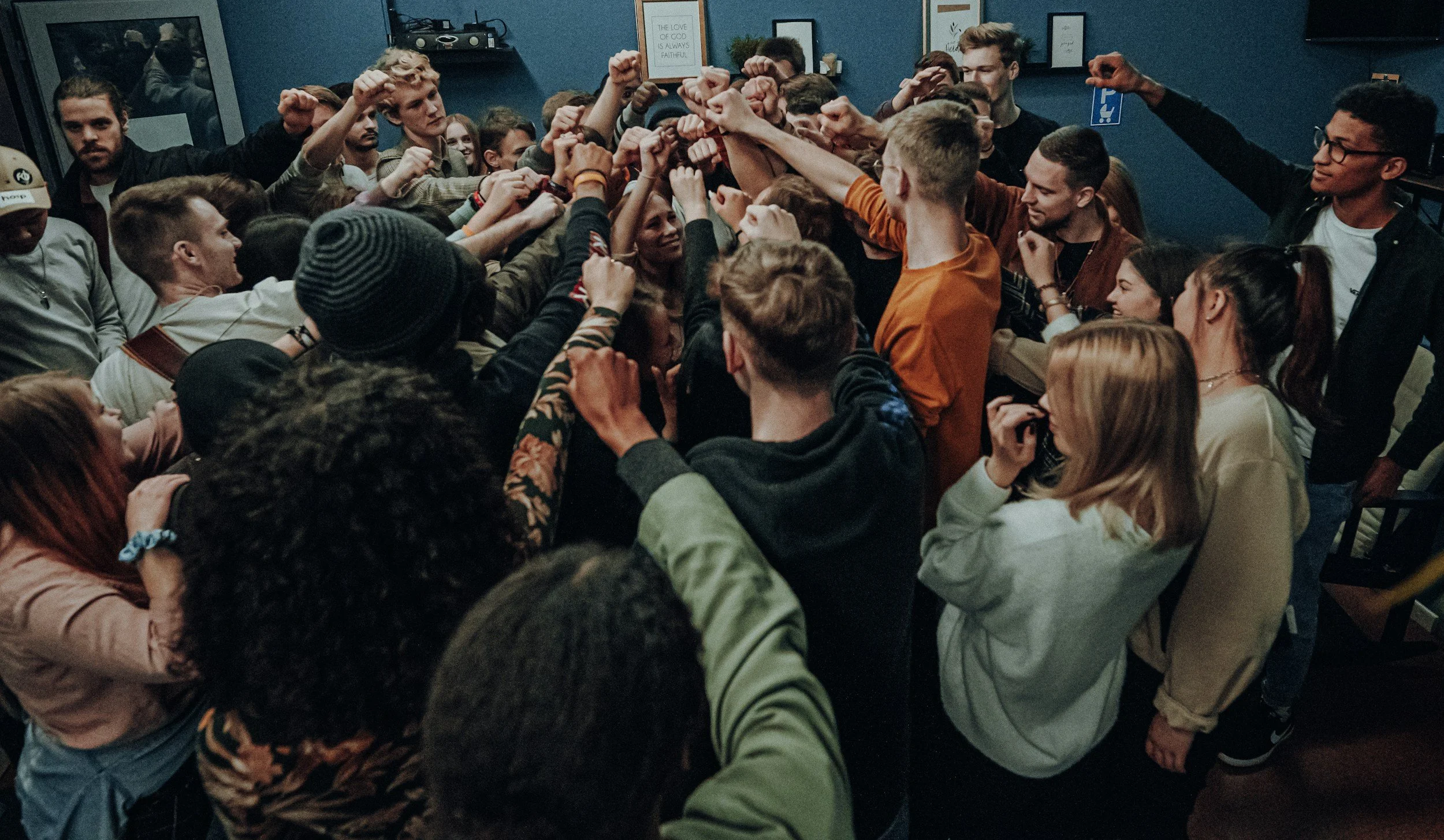
God’s family is built on Jesus as the cornerstone and the faithful teaching of God’s Word as the foundation. Being a faithful part of this family demands that we stop seeking isolation and instead pursue integration. Growth happens when we lean in, not when we opt out.
God’s Temple
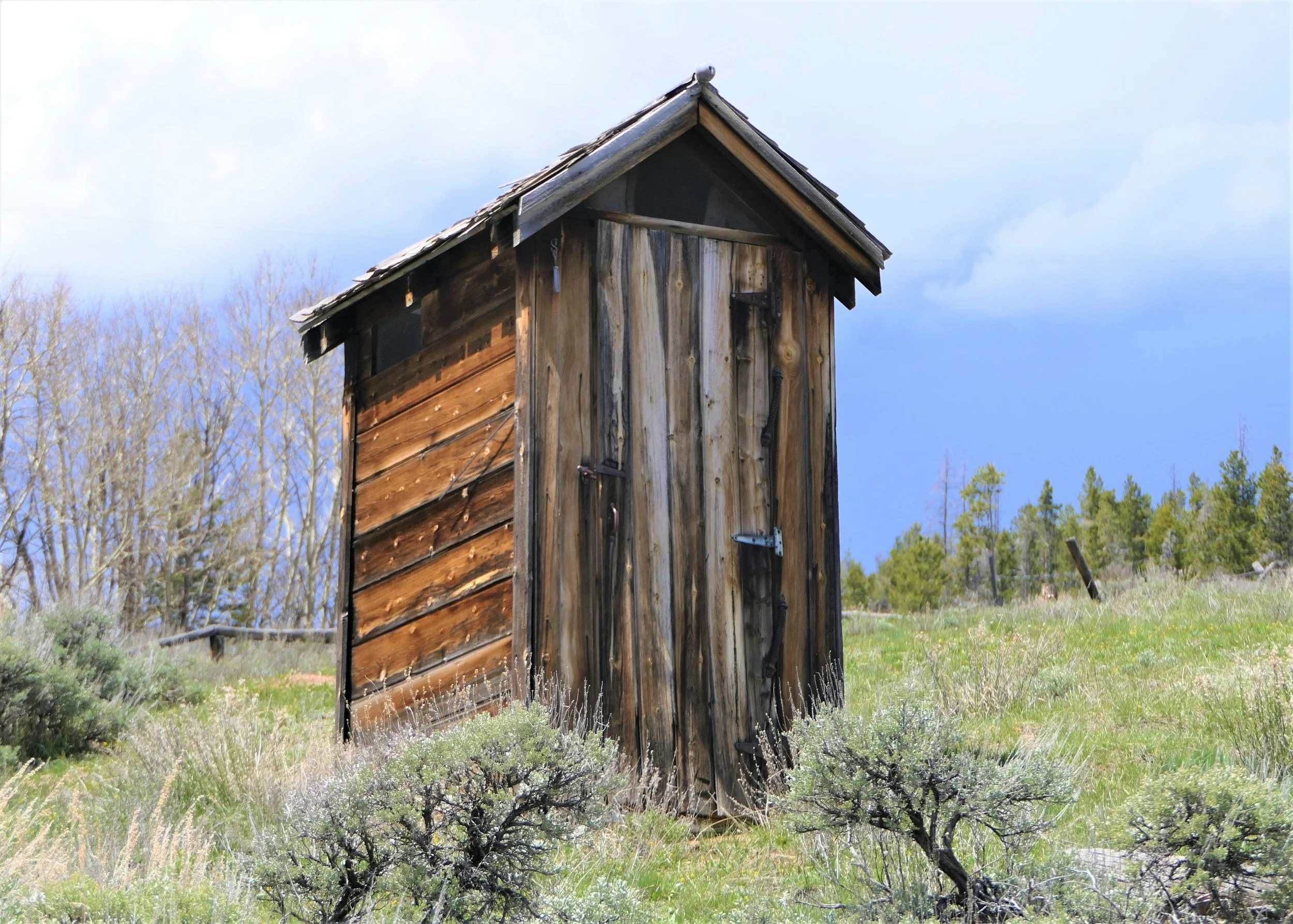
Finally, Paul says we are being built into a holy temple. Notice the language: joined together, growing, built together. This requires commitment, time, sacrifice, and love. Here’s where the warning becomes unavoidable. Some Christians opt out of the church, build their own outhouse, and think they are following God. And their outhouse stinks.
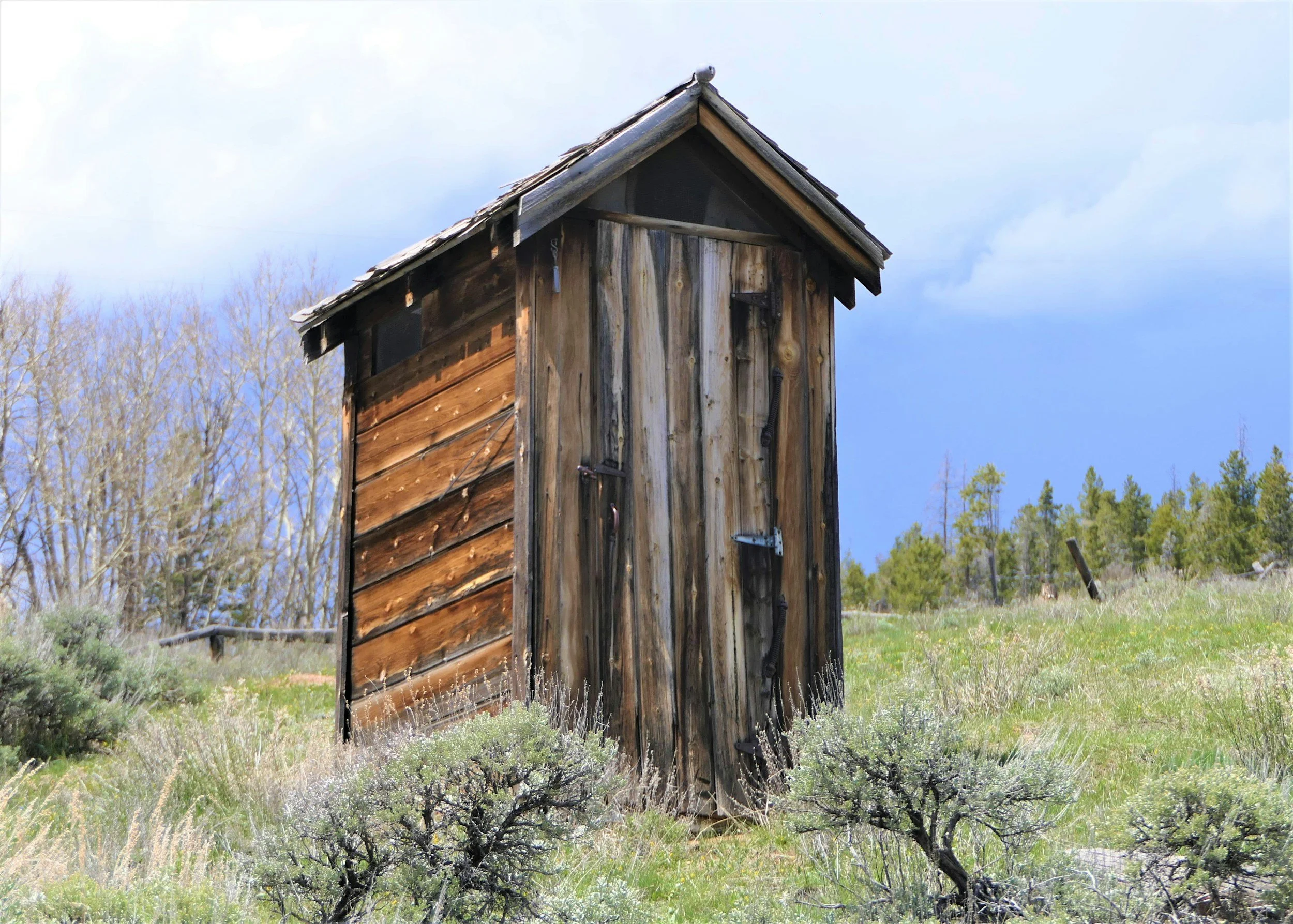
An outhouse is small, isolated, self-made, and designed for personal convenience—not God’s glory. Entitlement builds outhouses. Investment builds God’s temple.
Entitlement waits to be served. Investment looks for ways to serve. Entitlement asks, “Was I blessed?” Investment asks, “Was I a blessing?” Entitlement keeps you in ME-world while investment brings personal traction into God’s Kingdom.
Built Together—for His Glory
Paul’s message is simple and confronting: you cannot be a city alone, a family alone, or a temple alone. Christ did not save you to stand apart but to be built together.
So ask yourself: How am I investing in this city? How am I embracing this family? How am I helping build this temple? God is not calling you to an outhouse on the edge of town. He’s calling you home.