


Why Salvation Can Never Be Lost
One of Satan's most effective attacks against believers is the accusation that they can lose their salvation. He whispers, "You've failed too many times. God is finished with you. You've gone too far." These thoughts are designed to rob Christians of assurance, peace, and confidence in God's grace.
Certainly, there are moments when believers may feel distant from God. Shame, guilt, and failure can cloud our understanding of the truth. Yet our feelings are not the foundation of our salvation—God's promises are.
The question is not whether we sometimes feel unsaved. The question is whether salvation ultimately depends on us or on Christ. The Bible's answer is clear: salvation is God's work from beginning to end.
#1 Salvation Was Accomplished by Christ

The foundation of our security begins with understanding how salvation was accomplished. The Apostle Paul writes: "Christ died for our sins in accordance with the Scriptures, that he was buried, that he was raised on the third day in accordance with the Scriptures" (1 Corinthians 15:3-4).
Jesus accomplished what no sinner could ever accomplish. He lived the perfect life we could not live and died the death we deserved to die. He bore the penalty of sin completely.
If salvation rests upon Christ's finished work, then its security rests upon His success, not ours. The cross was not a partial payment awaiting our contribution. It was a complete sacrifice that fully satisfied God's justice.
#2 Salvation Began with God
Many people assume that salvation began when they chose to believe. While faith is necessary, Scripture teaches that God is the One who initiates salvation.
Paul declares: "He who began a good work in you will bring it to completion at the day of Jesus Christ" (Philippians 1:6).
Notice the emphasis: God began the work. The same God who starts salvation promises to finish it. If salvation began with human effort, then perhaps it could fail through human weakness. But because God is the author of salvation, He is also its finisher. The only salvation that can be lost is a salvation earned by human effort. Biblical salvation is not earned; it is received by grace.
#3 Salvation Is a Gift, Not a Reward
Ephesians 2:8-9 provides one of the clearest explanations of God's saving grace: "For by grace you have been saved through faith. And this is not your own doing; it is the gift of God, not a result of works, so that no one may boast." Several truths emerge from this passage:
“You Have Been Saved” - The language is past tense. Salvation is presented as an accomplished reality for the believer.
“It Is Not Your Own Doing” - Because you did not save yourself, you cannot unsave yourself. The work belongs to God.
“It Is the Gift of God”- God's gifts are not temporary loans. Scripture teaches that God's gifts and calling are irrevocable.
“It Is Not Based on Works” - If salvation is not earned, it cannot be lost by failing to earn it again. What grace freely gives, works cannot take away.
#4 Salvation Is Sustained by God's Mercy

The Apostle Paul writes in Titus 3:5: "He saved us, not because of works done by us in righteousness, but according to his own mercy."
Salvation rests on God's mercy, not human performance. Every morning believers awaken to fresh mercies from God. His mercy never reaches exhaustion. There will never come a day when God says, "You have used up all My mercy."
This truth provides tremendous assurance. If salvation depended upon our ability to cleanse ourselves, none of us would stand. But God is the One who washes, renews, and transforms His people through the Holy Spirit.
Religion often teaches people to save themselves through effort. The gospel announces that God does for sinners what they could never do for themselves.
#5 Jesus Keeps Those He Saves
The book of Jude offers one of the strongest affirmations of eternal security. Jude addresses believers as those who are: "Called, beloved in God the Father and kept for Jesus Christ" (Jude 1).
Notice who does the keeping. Jesus does. The letter closes with these words: "Now to him who is able to keep you from stumbling and to present you blameless before the presence of his glory with great joy" (Jude 24).
Jesus not only saves His people; He keeps them. He not only keeps them; He presents them blameless before God. Our confidence is not found in our ability to hold on to Christ but in Christ's ability to hold on to us.
#6 Christ Will Lose None of His Own
Jesus Himself declared: "This is the will of him who sent me, that I should lose nothing of all that he has given me, but raise it up on the last day" (John 6:39).
The Father's will is that Christ lose none of those entrusted to Him. If even one true believer could ultimately be lost, Christ would fail to accomplish the Father's will.
But Christ cannot fail. Every person genuinely saved by His grace will be raised on the last day and welcomed into His eternal presence.
Conclusion:
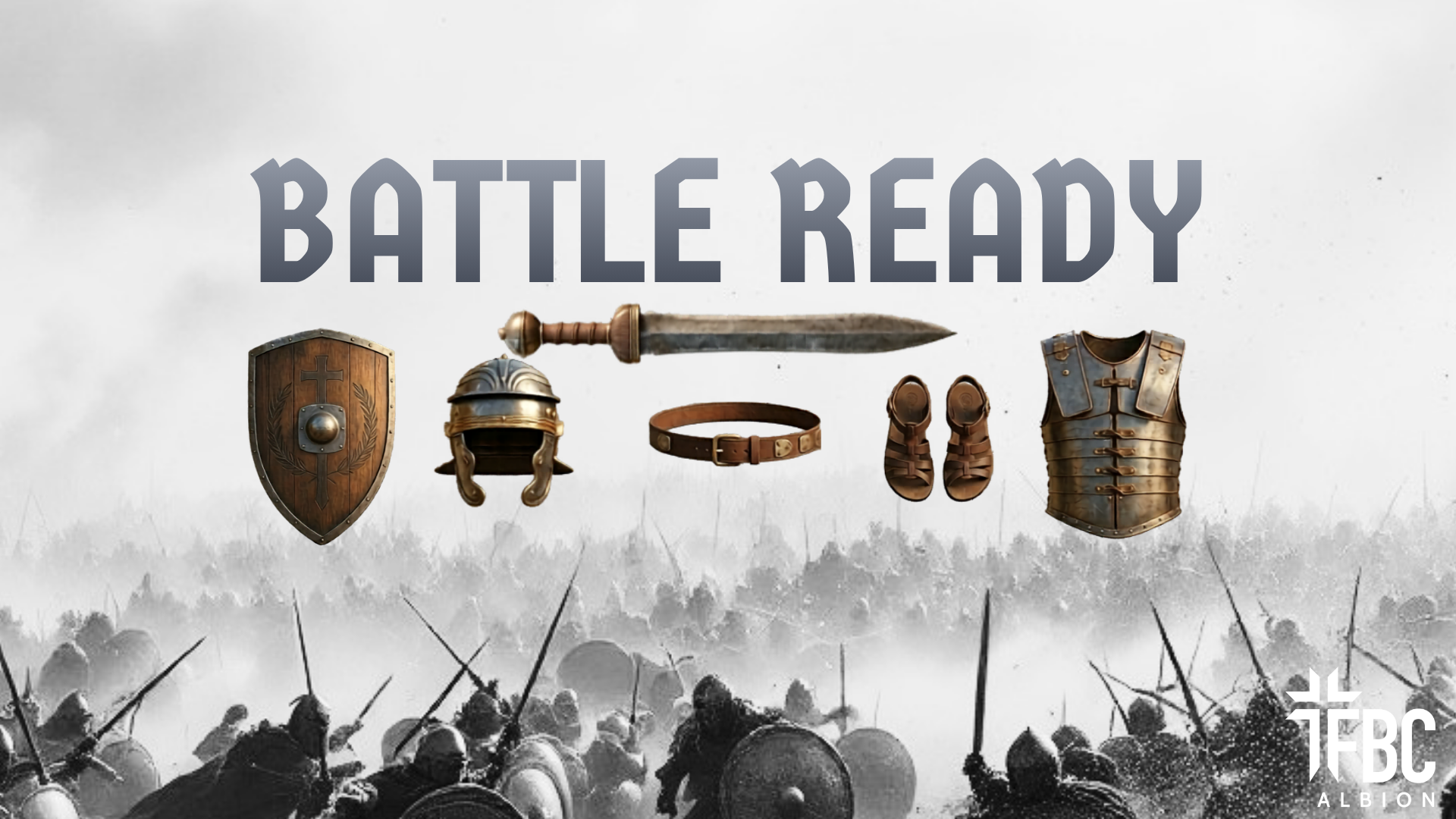
In Ephesians 6, Paul describes the helmet of salvation as part of the armor of God. A helmet protects the mind. Likewise, assurance of salvation protects believers from Satan's accusations. The helmet of salvation is confidence in God's saving work—past, present, and future.
When Satan says:
"You've failed too many times," the believer responds, "Christ paid for my sins."
"God has abandoned you," the believer responds, "Jesus keeps those whom He saves."
"You can lose your salvation," the believer answers, "God began this work, and God will complete it."
From beginning to end, salvation is God's work. Christ accomplished it through His death and resurrection. God initiated it through His grace. The Holy Spirit applies it through regeneration and renewal. Jesus preserves it through His continual intercession and keeping power. And one day, Christ Himself will present every believer blameless before the Father.
Our hope is not in our strength, our consistency, or our performance. Our hope is in Jesus Christ—the Author and Finisher of our faith.
Because salvation is His accomplishment, it cannot fail.
Because salvation is His gift, it isn’t earned , so therefore can’t be unearned.
Because salvation is His work and His doing, it cannot be undone.
The believer's confidence rests securely in this truth: the God who saves is the God who keeps.
This is a written excerpt from a sermon preached by Pastor Tom Hollowood entitled “The Helmet of Salvation”. It can be watched in its entirety HERE.